Timing When Startups Should Use the Madrid System of Trademark
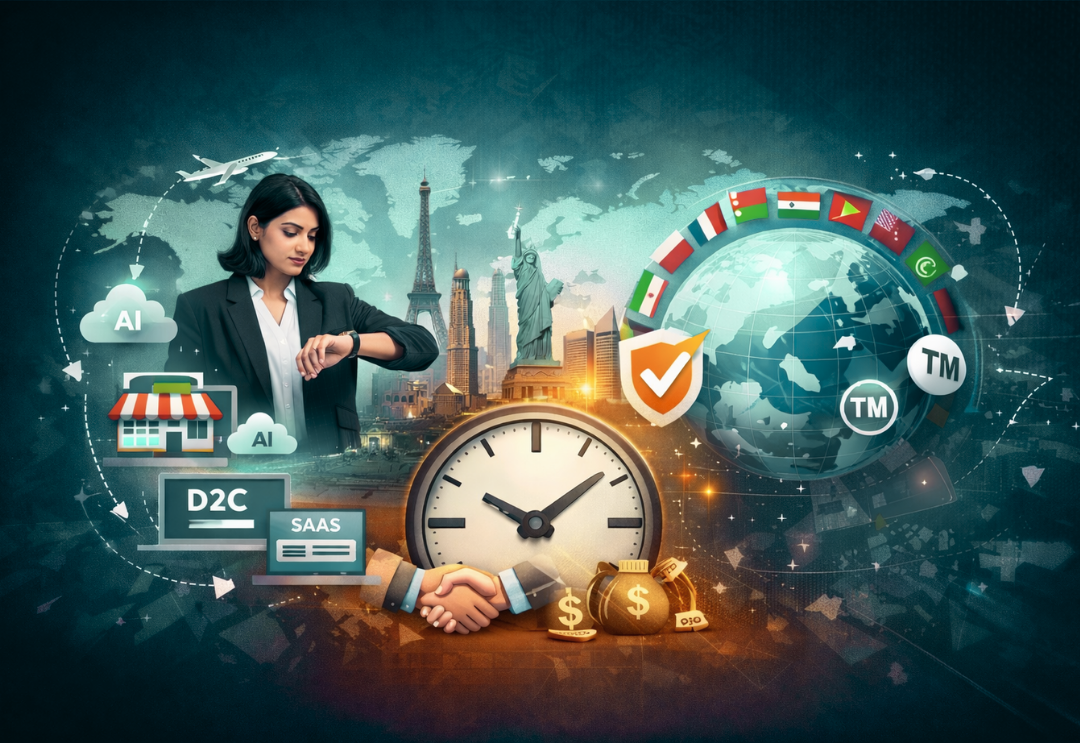
India is not just a place to make things anymore. It is turning into a country that makes brands. Indian businesses are growing faster than ever before. For example, D2C startups are selling directly on global marketplaces, and AI-driven SaaS companies are getting international users overnight. But even though technology and distribution have no borders, trademark strategies often do. This gap is where a lot of promising startups lose steam and money. By utilizing the Madrid System of Trademark, startups can establish a strong global presence and prevent potential infringement issues as they expand their reach beyond India.
The real question today isn't whether to go global, but when and how to protect your brand around the world without slowing growth or wasting money. And timing is everything when it comes to this choice.
The New Reality: Companies Don't Know That Brands Are Going Global
In the time of:
• E-commerce across borders (Amazon Global, Etsy, Shopify, Alibaba).
• SaaS tools powered by AI that have users from all over the world on day one.
• Social media that spreads quickly without borders.
Your brand is already known all over the world, even if your trademark isn't.
A lot of Indian startups only realize this after:
• A foreign distributor registers their brand name in another country.
• A marketplace stops listings because of trademark issues.
• A competitor in another country files first
At this point, growth becomes reactive, costly, and legally complicated.
The Strategic Shift Point: National Trademark vs. Madrid System
The right first step is to file a national trademark in India. But startups make a mistake when they stay national for too long. The Important Timing Triggers for Moving to the Madrid System.
When you should really think about the Madrid System:
1. You want to grow your business in two or more foreign markets.
2. People from other countries can buy your product online.
3. You're making deals with partners, licensees, or distributors.
4. You're getting ready to raise money, value your business, or buy it.
5. Your business model is based on your brand identity.
At this point, filing separate trademarks in each country is not only expensive but also inefficient and hard to keep track of.
You can do the following with the Madrid System:
• Submit one application to the whole world
• Take care of trademarks in more than one country
• Lower costs for legal, administrative, and long-term renewals
The Madrid System in the Age of AI and E-Commerce
Why Digital-First Brands Need International Protection Right Away:
• AI and digital brands scale differently:
• Users don't care about borders.
• Software can be copied faster than physical goods.
• Online brand confusion happens right away
Without protection for international trademarks:
• Foreign app stores may block your brand.
• Domain disputes get worse very quickly
• Licensing and franchising deals are on hold.
The Madrid System lets you move quickly while still having structure. It is a single system that can help global growth without breaking up your IP portfolio.
But here's the catch that most startups miss.
The Madrid System is not a quick way to get things done it's a framework.
If your Indian trademark:
• Is poorly written
• Covers the wrong classes
• Is open to criticism
Then, because of the risk of a central attack in the first five years, your whole international application is open to attack. This is where planning with the help of experts becomes very important.
From "Made in India" to "Brand India"
India's image around the world is changing. From making things cheaply to being creative and original. From service providers to brand owners around the world. This shift in perception opens opportunities for Indian businesses to expand globally through the Madrid System. Government programs, investments from around the world, and startup acceleration have all come together to make this a great time for Indian businesses to tell their brand story around the world. But a global brand is a weak asset if it doesn't have global trademark protection.
Why the Madrid System Is a Big Deal for Indian Brands
Madrid has the following to offer Indian startups and small and medium-sized businesses:
• Easy and cheap access to international trademark protection
• A centralized system that works with global growth
• Trustworthiness in foreign markets, with investors, and in c
It changes trademarks from something that is only legal to something that is useful for business.
The Strategic Mistake: Using Madrid as a Filing Tool
A lot of businesses treat Madrid like a form submission.
Brands that do well see it as:
• A plan for building a portfolio
• A framework for managing risk
• An enabler for brand valuation
This includes:
• Picking the right jurisdictions (not all at once)
• Making sure that classes fit in with future product plans
• Making plans for enforcement and renewal early
This is where advisory-led IP firms like Einfolge come in they connect law, business, and a global vision.
The most important things to remember:
File too soon without a plan → wasted money
File too late and you'll lose your brand and must go to court.
File at the right time for global protection that can grow.
Indian startups don't just need trademarks in 2026 and beyond; they also need trademark intelligence. It's not about expanding the Madrid System in the future. It's about being ready before people notice your brand.
How Einfolge Can Help
We don't just file international trademarks at Einfolge we also:
• Figure out when Madrid is a good fit for your stage of growth
• Make trademark portfolios that are ready for the future
• Make sure that IP protection is in line with global business goals.
Global brands don't just happen they are made by making smart, timely choices.